Algorithmic Edges: Machine Learning Models Reshaping Odds Calculations for British Sports Enthusiasts
Jonas Frank · Jul 14, 2026
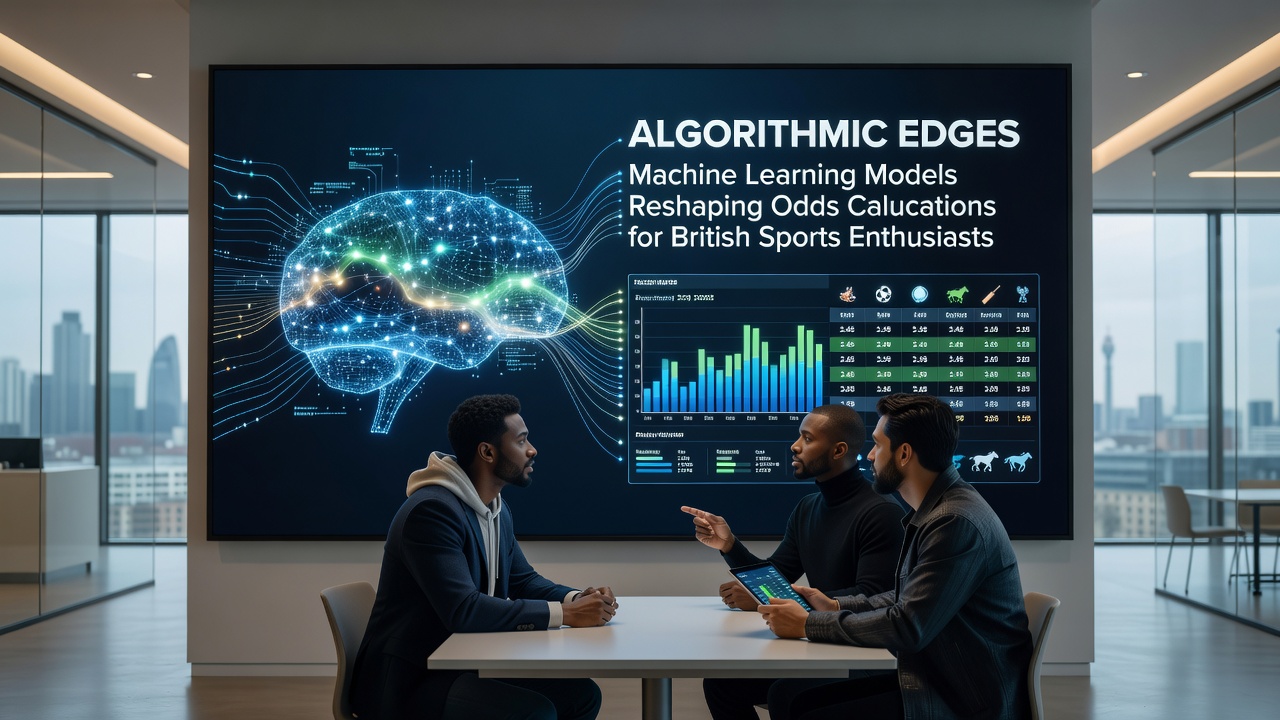
Algorithmic Edges: Machine Learning Models Reshaping Odds Calculations for British Sports Enthusiasts
British sports enthusiasts have watched odds calculations shift dramatically as machine learning models take center stage in bookmaker operations, processing enormous volumes of data that range from player performance metrics to live environmental variables. These systems ingest historical records alongside current match conditions and social sentiment indicators, then refine probability estimates faster than traditional statistical methods ever allowed. Observers note that the result shows up in tighter spreads across football, tennis, and horse racing markets, where adjustments happen in seconds rather than minutes.
How Machine Learning Processes Betting Data
Models rely on layered neural networks that identify subtle correlations across thousands of variables, including fatigue patterns from fixture congestion and travel distances between venues. Training occurs on anonymized transaction logs combined with public league statistics, so the algorithms learn to weigh factors such as pitch quality or crowd density that once received only manual review. Researchers at institutions like the University of Toronto have published work showing how reinforcement learning loops allow continuous recalibration without human intervention, producing odds that reflect marginal changes almost instantly.
Bookmakers deploy these tools to manage risk across thousands of simultaneous events, and enthusiasts encounter the output through live price movements that respond to in-game events with measurable accuracy. Data from industry reports compiled by the European Gaming and Betting Association indicate rising adoption rates among operators handling European markets, though implementation details remain proprietary. Those who study the technology observe that ensemble methods combining gradient boosting with deep learning consistently outperform older Poisson distribution models on test sets drawn from Premier League seasons.
Impact on Specific Sports Markets
Football markets illustrate the change most clearly, with player prop bets on shots, tackles, and expected goals now recalculated after every possession using computer vision feeds. Horse racing platforms apply similar techniques to pace analysis derived from sectional timing data, adjusting place market probabilities when track conditions evolve mid-meeting. Tennis set-winning odds fluctuate in response to serve-speed distributions tracked by on-court sensors, creating micro-adjustments that appear on mobile interfaces within a single game.

By July 2026, several major operators had expanded these capabilities to cover lower-tier leagues and international tournaments that previously lacked sufficient liquidity for sophisticated modeling. The added depth stems from transfer-learning techniques that borrow patterns from high-profile competitions and apply them to data-sparse events, reducing variance in opening prices. Enthusiasts following these developments report more consistent value identification in niche markets, although the underlying calculations remain invisible to end users.
Regulatory and Transparency Developments
International bodies have begun examining how algorithmic pricing affects consumer understanding, with the Responsible Gambling Council of Canada releasing guidelines in early 2026 that encourage disclosure of automated decision factors. British operators have responded by publishing high-level methodology summaries rather than full model weights, satisfying some transparency demands while protecting competitive advantages. Those monitoring the sector note that audits of fairness now include checks on whether machine learning outputs introduce unintended biases toward certain demographics or event types.
Implementation challenges persist around data quality, since incomplete feeds from smaller venues can skew training sets and produce outlier prices that require manual overrides. Companies mitigate this through fallback rules that revert to conservative margins when confidence scores drop below defined thresholds, preserving operational stability during network outages or sensor failures.
Future Trajectories for Odds Modeling
Continued refinement focuses on multimodal inputs that combine video analysis, wearable sensor streams, and even weather forecast ensembles into unified probability frameworks. Academic groups continue publishing benchmark results that compare model families across seasons, providing operators with evidence for incremental upgrades. British enthusiasts who track these advances gain indirect access through sharper prices and expanded market options, though the core technology stays within bookmaker infrastructure.
Conclusion
Machine learning has become the dominant force behind odds calculations that British sports enthusiasts encounter daily, delivering faster and more granular adjustments across major and emerging markets. The integration of diverse data sources and continuous learning loops supports tighter risk management for operators while presenting users with prices that evolve alongside real-world events. As regulatory expectations around transparency grow and technical capabilities advance further into 2026, the gap between traditional statistical methods and algorithmic approaches continues to widen in measurable ways.