Bridging Disciplines: Applying Horse Racing Form Analysis to Football Player Prop Selections
Parker Ludwig · Aug 18, 2026

Bridging Disciplines: Applying Horse Racing Form Analysis to Football Player Prop Selections
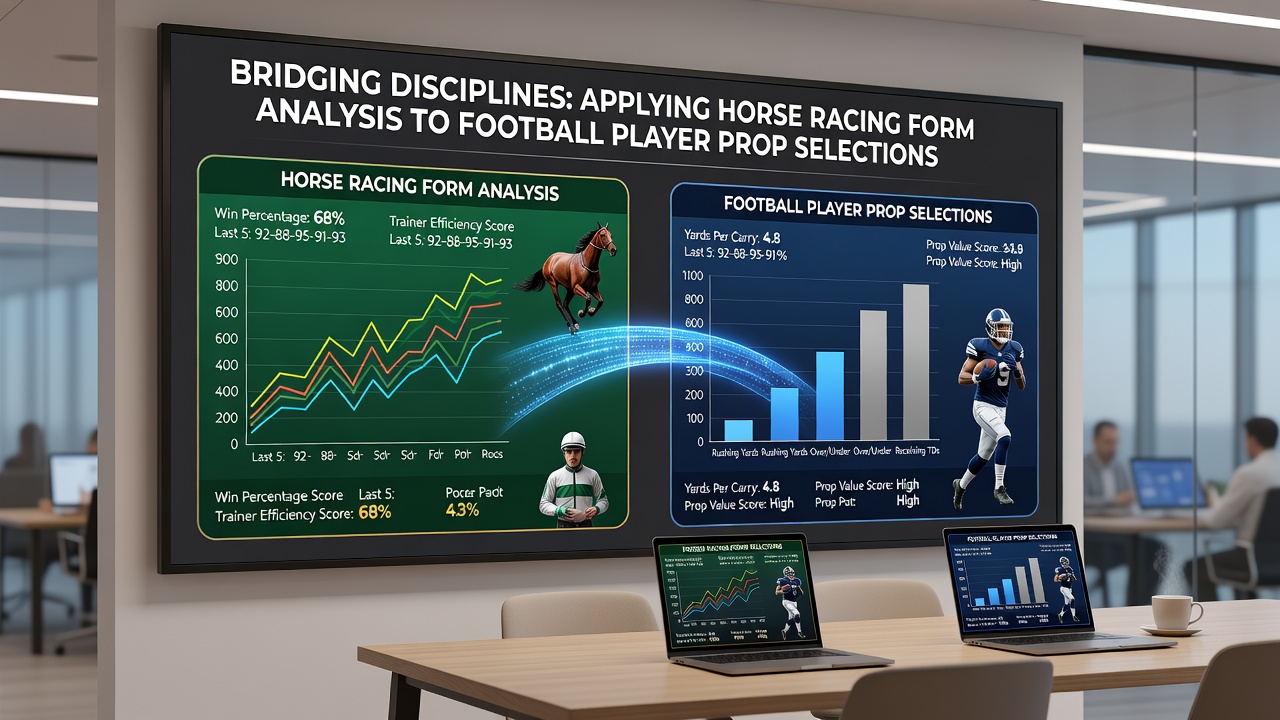
Analysts have long examined how structured approaches from one sport transfer to another, and horse racing form analysis offers a detailed framework that maps onto football player prop selections in measurable ways. Form study in horse racing tracks recent outings, surface conditions, distance suitability, trainer patterns, and jockey changes, while football props focus on individual outputs such as goals, assists, shots on target, cards, and passing accuracy. Observers note that both fields rely on layered historical data rather than isolated events, which creates opportunities for cross-application when bettors review player markets during the 2026 season.
Core Elements of Horse Racing Form
Horse racing records capture pace figures, class drops or rises, workout times, and equipment adjustments across multiple starts, and these variables combine to produce probability estimates for future races. Data from major racing jurisdictions shows that horses returning from layoffs perform differently based on trainer strike rates, while those switching distances demonstrate clear statistical shifts in win percentages. Researchers at institutions tracking thoroughbred performance have compiled datasets that isolate each factor, allowing models to weigh recent form more heavily than older results when conditions align.
Mapping Form Concepts to Football Props
Football analysts adapt similar variables when evaluating player props, substituting match logs for race charts and opponent strength for class levels. Recent minutes played, fixture congestion, and tactical role changes function like distance suitability, because players logging high workloads in prior weeks often see reduced output in subsequent games. Studies from European sports science programs indicate that midfielders facing compact defensive blocks record fewer shots on target, mirroring how horses struggle on unsuitable ground. August 2026 fixtures have highlighted this pattern, with several Premier League sides rotating squads amid early-season scheduling demands.
Key Metrics and Data Layers
Performance databases now integrate xG differentials, progressive passes, and duel success rates alongside traditional goal tallies, creating multi-factor profiles comparable to horse racing pace and sectional times. One dataset released by an academic research group at the University of Loughborough demonstrated that players with consistent shot volumes against top-half defenses maintain elevated prop hit rates over rolling ten-game windows. Weather conditions, pitch dimensions, and referee tendencies add further layers, much as going reports and rail positions influence equine outcomes. Bettors who compile these elements into checklists replicate the systematic review process used by racing form students.
Practical Application Examples
Take a forward whose recent matches show declining touches in the penalty area after heavy prior workloads. Form-based analysis flags this as a signal to lower projected shots or goal props, similar to how a horse's recent poor effort on soft ground prompts caution on comparable tracks. Conversely, a defender returning from injury against a side that concedes high volumes of set pieces may see card props elevated, because historical duel data reveals increased foul rates in those scenarios. Multiple European leagues have produced examples where these layered reviews improved selection consistency across player prop markets during the opening months of 2026.
Statistical Correlations and Model Building
Quantitative approaches combine racing-style regression models with football event data, weighting recent form more than distant results while adjusting for schedule strength. Reports from the American Gaming Association highlight growing interest in such hybrid models among professional syndicates, noting that prop markets reward granular inputs over broad team trends. Australian wagering research groups have published parallel findings on individual performance stability, reinforcing that cross-sport pattern recognition yields measurable edges when datasets remain clean and updated weekly.
Challenges in Cross-Disciplinary Transfer
Football introduces variables absent from horse racing, including squad rotation policies, managerial tactics, and in-game substitutions that can alter prop outcomes after markets open. Injuries and suspensions create sudden shifts similar to last-minute jockey changes, yet football data streams update faster, requiring analysts to refresh form profiles daily. Those who maintain disciplined review cycles, much like racing form compilers, mitigate these disruptions by anchoring selections to verified multi-week trends rather than single fixtures.
Conclusion
Application of horse racing form techniques to football player props continues to expand as datasets grow more detailed and analytical tools become accessible across both industries. Structured review of recent performance, contextual adjustments, and historical correlations provides a repeatable process that operates independently of any single league or market. Observers tracking developments through August 2026 report sustained interest in these methods among data-focused participants seeking consistent frameworks for prop evaluation.