Casino Reward Programs Enable Extended Play Across Multiple Venues
Bianca Schwarz · Aug 25, 2026

Casino Reward Programs Enable Extended Play Across Multiple Venues
Players in various regions have adopted strategies that combine loyalty schemes from different operators to prolong their casino sessions, and data from industry reports shows increased participation in tiered reward structures throughout 2026. These programs track player activity through cards or apps that accumulate points based on wagers, time spent, and game types, which then unlock benefits such as free play credits, hotel stays, and exclusive event access. Research from the University of Nevada indicates that structured reward systems have expanded since earlier decades, allowing participants to move between venues while maintaining progress toward higher tiers.
Mechanics of Tiered Loyalty Structures
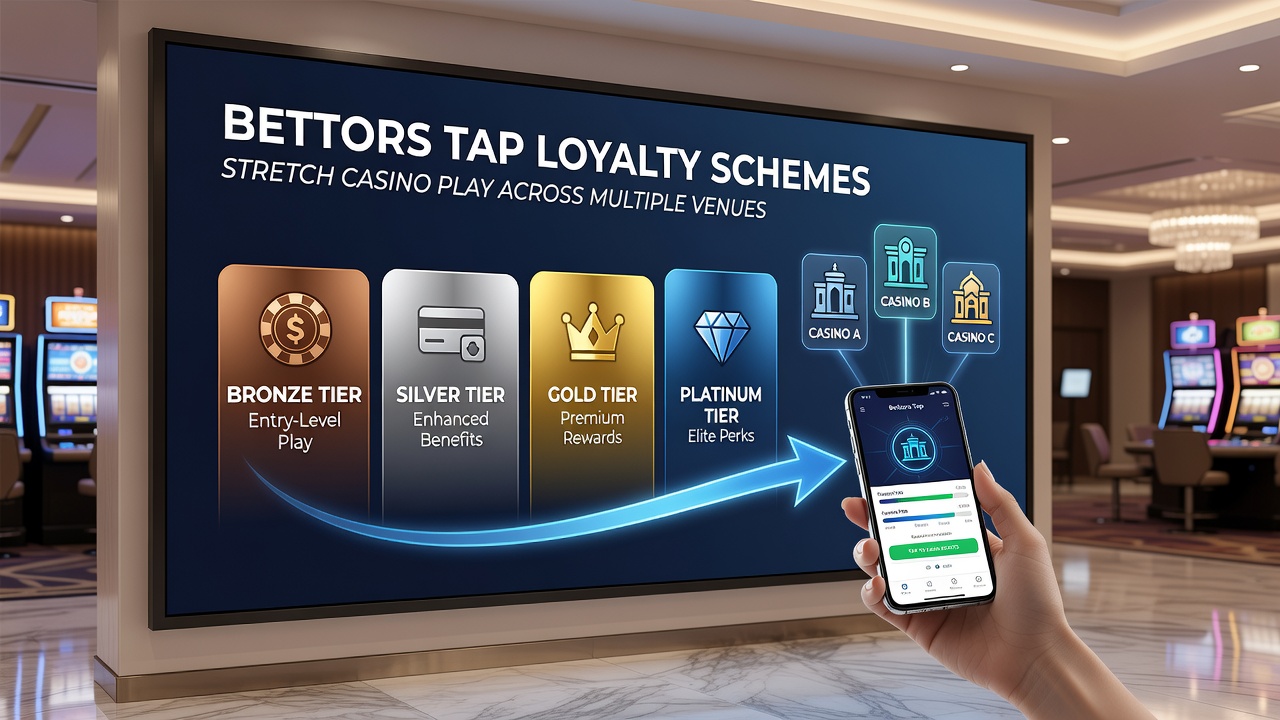
Casino operators design reward tiers that progress from entry-level status to premium categories, and each level requires specific point thresholds that reflect cumulative spending or visits. Points typically convert at rates tied to game volatility, with table games and slots contributing differently depending on the venue's formula, while many programs reset or carry over balances annually to encourage ongoing engagement. According to findings published by the American Gaming Association, participants often select venues that align their play styles with earning multipliers during promotional periods, which can accelerate advancement without requiring additional outlays.
Cross-Venue Accumulation Strategies
Bettors coordinate their schedules around multiple properties to harvest points from each location's distinct offerings, and this approach stretches total playtime because rewards earned at one site sometimes offset costs at another through transferable perks or partnerships. Observers note that hotel chains affiliated with casino groups facilitate seamless transitions, since room comps and dining credits apply across networks when players maintain active accounts. Figures from the Australian Institute of Criminology reveal that multi-site participation patterns have grown in jurisdictions with clustered gaming facilities, where transportation links and shared digital wallets reduce friction between locations.
Some programs incorporate regional alliances that permit point pooling, yet others maintain strict separation that forces players to prioritize which operator's ecosystem delivers the highest return per session. Those who track earnings through dedicated apps adjust their game selections daily, shifting from high-volatility options during bonus windows to steadier formats once thresholds near completion. This tactical rotation appears in records maintained by property management systems that log session durations and average bet sizes across connected properties.
Regional Variations in Program Design
North American properties frequently emphasize slot-driven point accrual that rewards volume over skill, whereas European venues integrate sports betting elements into the same loyalty frameworks to broaden appeal. Canadian provincial regulators have documented how integrated resort models bundle entertainment credits with gaming activity, allowing visitors to apply rewards toward non-gaming experiences that still count toward tier maintenance. Data released by the National Council on Problem Gambling shows steady uptake of these combined structures in markets where cross-promotion between operators remains permitted under current licensing rules.
August 2026 has seen several chains introduce summer-specific accelerators that double point earnings during weekday afternoons, and participants who split time between coastal and inland sites report reaching mid-tier status earlier than single-venue counterparts. These calendar-driven incentives align wth tourism cycles, drawing players who plan extended circuits that include both urban casinos and destination resorts.
Technology Supporting Multi-Site Tracking
Digital wallets and cloud-based player profiles now link activity across unaffiliated properties through third-party platforms, and this connectivity reduces the administrative burden that once limited cross-venue strategies. Mobile applications display real-time point balances alongside redemption options at partner locations, while biometric verification systems streamline check-ins without requiring physical cards. Studies conducted by research teams at McGill University highlight how such tools have increased average session lengths when players can preview upcoming promotions at nearby venues before committing travel time.
Security protocols embedded in these systems flag unusual patterns that might indicate coordinated point farming, yet legitimate multi-site play continues without restriction in most regulated markets. Operators share aggregated anonymized data through industry consortiums to refine tier structures, ensuring rewards remain attractive while controlling liability exposure.
Conclusion
Loyalty schemes and reward tiers have become central tools that allow players to distribute their activity across several casinos while preserving access to escalating benefits. Available data from regulatory bodies and academic sources confirms that these programs influence visit frequency and total wagering volume in markets where multiple operators coexist. As digital integration advances, the ability to stretch playtime through coordinated point accumulation shows no signs of slowing in the current environment.