Cross-Platform Analytics: Bettors Identify Value in Obscure Athletic Competitions
Bianca Schwarz · Jun 14, 2026

Cross-Platform Analytics: Bettors Identify Value in Obscure Athletic Competitions
Observers note that bettors increasingly combine mobile apps, desktop dashboards, and API feeds to locate discrepancies in lesser-known athletic contests such as handball leagues, table tennis circuits, and regional badminton tournaments; these cross-platform setups allow simultaneous monitoring of live odds, statistical models, and social sentiment indicators without switching contexts repeatedly.
Platform Integration Methods
Research indicates that many participants sync data streams from multiple bookmakers through aggregator software that pulls real-time numbers into unified interfaces, while others layer predictive algorithms hosted on cloud services with on-device notification tools to flag line movements as they occur across different time zones. Turns out these integrations reduce latency between discovery and placement, particularly when niche events feature limited liquidity and rapid adjustments follow early wagers.
What's interesting is how synchronization occurs: users connect accounts via secure tokens that pull historical performance metrics from league databases alongside current injury reports scraped from official athletic federation sites, then feed the combined dataset into visualization layers that highlight statistical outliers. Data from the Australian Gambling Research Centre shows participation in such multi-source monitoring has grown steadily since 2024, especially among those focusing on events outside major football and tennis calendars.
Data Sources and Analytical Layers
Bettors pull raw numbers from timing systems used in niche competitions, merge them with weather and venue variables drawn from meteorological APIs, and cross-reference social media volume spikes through monitoring platforms that track mentions across regions. One researcher who examined transaction patterns noted that successful operators often maintain separate browser profiles and mobile instances to compare pricing at different operators without triggering single-account limits.
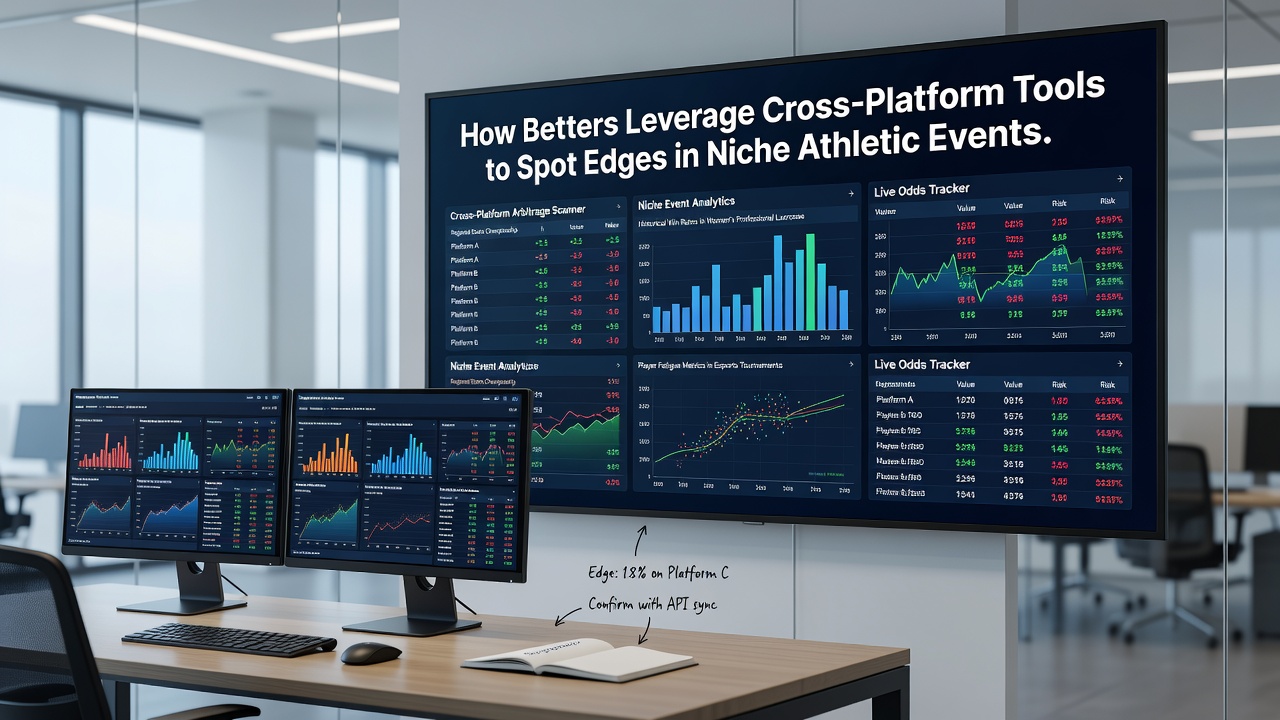
Academic studies from the University of Nevada highlight that combining video analysis tools with automated alert systems helps identify edges when player fatigue metrics diverge from public perceptions during extended tournament schedules. In June 2026 several European handball qualifiers saw rapid line shifts after bettors using synchronized tablet and laptop setups detected unexpected rotation patterns not yet reflected in mainstream coverage.
Practical Workflows in Action
Those who specialize in these markets typically begin with overnight data pulls from multiple endpoints, then refine selections during morning reviews on desktop stations before final checks via phone apps during event start times. The process connects quantitative models with qualitative signals such as coach press conference transcripts parsed through language tools, creating layered decision frameworks that operate across devices without data silos.
Evidence suggests that participants who maintain consistent cross-platform habits report higher consistency in locating mispriced propositions, particularly in events where official statistics update more slowly than social channels. Regulatory filings from the Nevada Gaming Control Board indicate increased interest in these approaches among operators seeking to understand customer segmentation in emerging sports categories.
Conclusion
Cross-platform tool usage continues to evolve as data availability expands and connectivity improves, allowing bettors to process wider information sets when targeting niche athletic events. The combination of synchronized feeds, automated alerts, and multi-device workflows provides structured methods for locating pricing discrepancies, while ongoing developments in API access and analytics layers support further refinement of these techniques through 2026 and beyond.