Decoding Loyalty Tiers: The Role of Reward Systems in Sustaining Interest Among Regular Wagerers
Jonas Frank · Aug 23, 2026
Decoding Loyalty Tiers: The Role of Reward Systems in Sustaining Interest Among Regular Wagerers
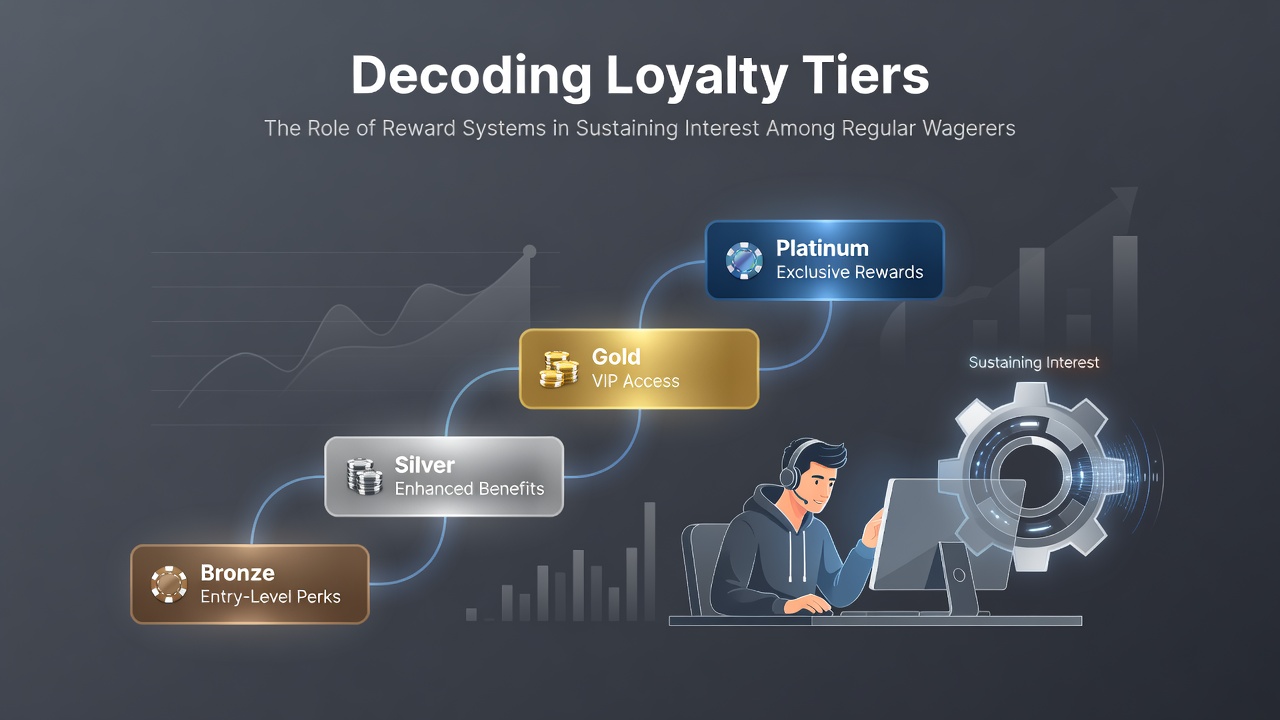
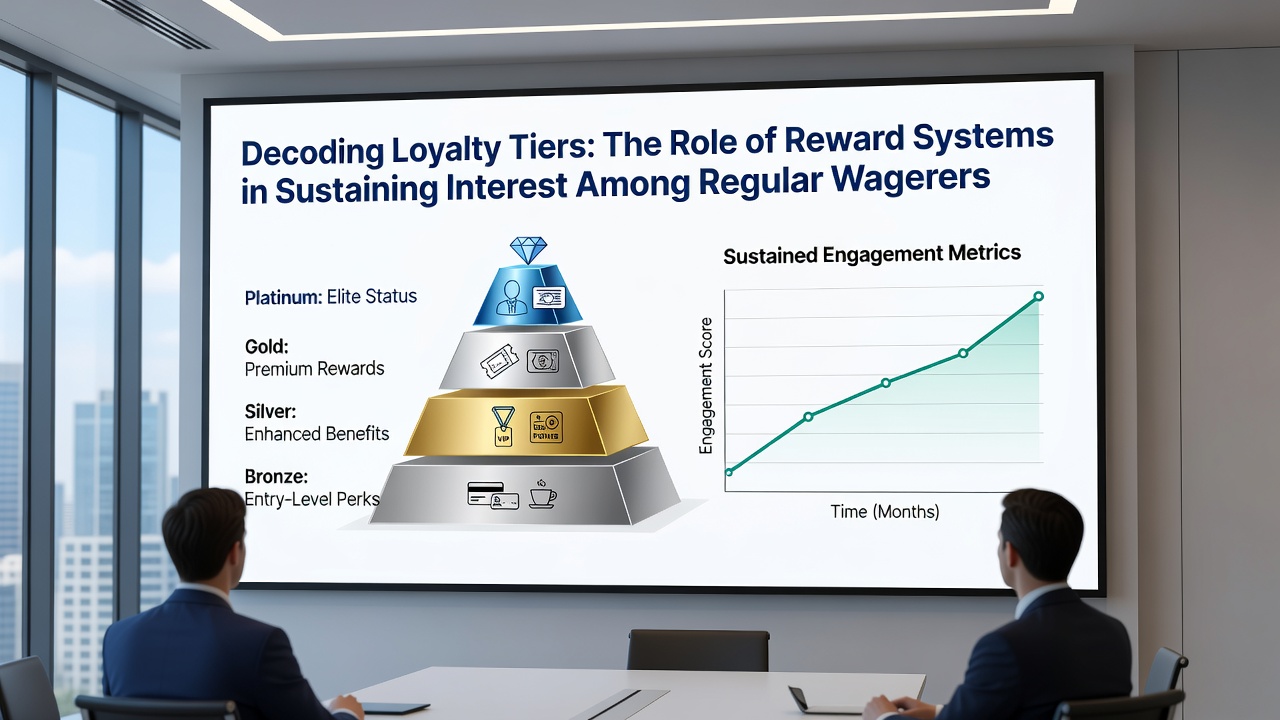
Loyalty tiers function as structured reward frameworks within wagering platforms, and operators use them to encourage repeated activity by granting escalating benefits that align with cumulative spending and participation levels. These systems typically divide users into categories such as entry-level, mid-tier, and premium segments, where each advancement unlocks cashback percentages, bonus credits, and priority access features. Data from industry analyses indicate that participants who reach higher tiers demonstrate longer session durations and more frequent returns compared to those who remain at base levels.
How Tier Structures Operate in Practice
Most programs calculate progress through metrics like total wagered amounts or active days logged, and they reset or carry over on set schedules depending on the operator's design. A participant might start in a basic category that offers standard deposit matches, then move upward after meeting volume thresholds that trigger enhanced payout rates and exclusive event invitations. Observers note that these mechanics draw from established customer retention models seen across retail and hospitality sectors, yet they adapt specifically to wagering behaviors where volume often correlates directly with perceived value. In August 2026 several platforms adjusted their point accumulation formulas to incorporate live event participation, which broadened the pathways available for advancement beyond traditional sports and casino play.
Evidence on Retention and Engagement Patterns
Research from academic institutions shows that reward systems correlate with sustained interest when benefits scale meaningfully, and one analysis by the University of Nevada Reno's gaming research group found that tiered incentives reduced churn rates among consistent users by measurable margins. Those who've examined participation logs across multiple jurisdictions report similar outcomes where higher-tier members log in more regularly during off-peak periods. What's interesting is how the psychological pull of status markers combines with tangible rewards, because users often cite both the visible progress bar and the immediate utility of cashback as factors that keep them returning. A report issued by the Australian Gambling Research Centre highlights that programs emphasizing transparent tier criteria achieve stronger adherence than those with opaque requirements, since clarity helps participants track their own advancement without frustration.
Geographic Variations and Regulatory Context
Approaches differ by region because local rules shape what operators can offer. In Canadian provinces, for instance, certain gaming authorities require clear disclosure of how points convert to rewards, which encourages platforms to publish detailed tier tables that users can review before committing activity. European operators outside the United Kingdom frequently tie loyalty progression to responsible play tools, such as optional spending caps that still allow tier movement. These adaptations reflect efforts to balance commercial goals with oversight expectations from bodies like the New York State Gaming Commission, where data submissions now include retention statistics segmented by loyalty level.
Practical Examples from Current Operations
Take one major platform that introduced a four-tier ladder in early 2025 and then reported in mid-2026 that its top segment accounted for a disproportionate share of total handle while representing a smaller fraction of the user base. People who've tracked these outcomes note that the structure rewarded frequency through weekly reload bonuses that only unlocked after tier qualification, which created recurring touchpoints. Another operator in the Asia-Pacific market linked tier status to tournament entry, and participation in those events rose sharply once the connection became visible in the interface. Such cases illustrate how the same core mechanism can flex across product types, whether focused on sports markets, table games, or slots, while still driving repeat visits.
Measurement and Adjustment Cycles
Operators monitor tier movement through dashboards that track conversion rates between levels, and they often run A/B tests on reward values to see which combinations produce the strongest lift in activity. Figures released by industry associations reveal that programs undergoing quarterly reviews tend to maintain higher overall engagement than static ones, because adjustments keep benefits aligned with evolving user preferences. And yet the underlying math remains straightforward: each tier requires a defined increment in activity, and the incremental reward must exceed the effort required to reach it if the system is to hold attention over time.
Conclusion
Tiered reward systems continue to evolve as platforms collect more granular data on user behavior, and the core principle stays consistent across implementations. Regular wagerers advance through clearly defined stages that deliver compounding advantages, and operators refine these structures based on performance metrics drawn from multiple markets. External analyses from sources such as the Victorian Responsible Gambling Foundation and the New York State Gaming Commission supply comparative benchmarks that help the sector understand which elements most effectively support ongoing participation. The result is a landscape where loyalty mechanics serve as both retention tools and competitive differentiators, grounded in observable patterns of activity and reward redemption.