Device Sensors Shift Bet Timing Patterns in Minor League Football Metrics
Bianca Meier · Jul 19, 2026
Device Sensors Shift Bet Timing Patterns in Minor League Football Metrics
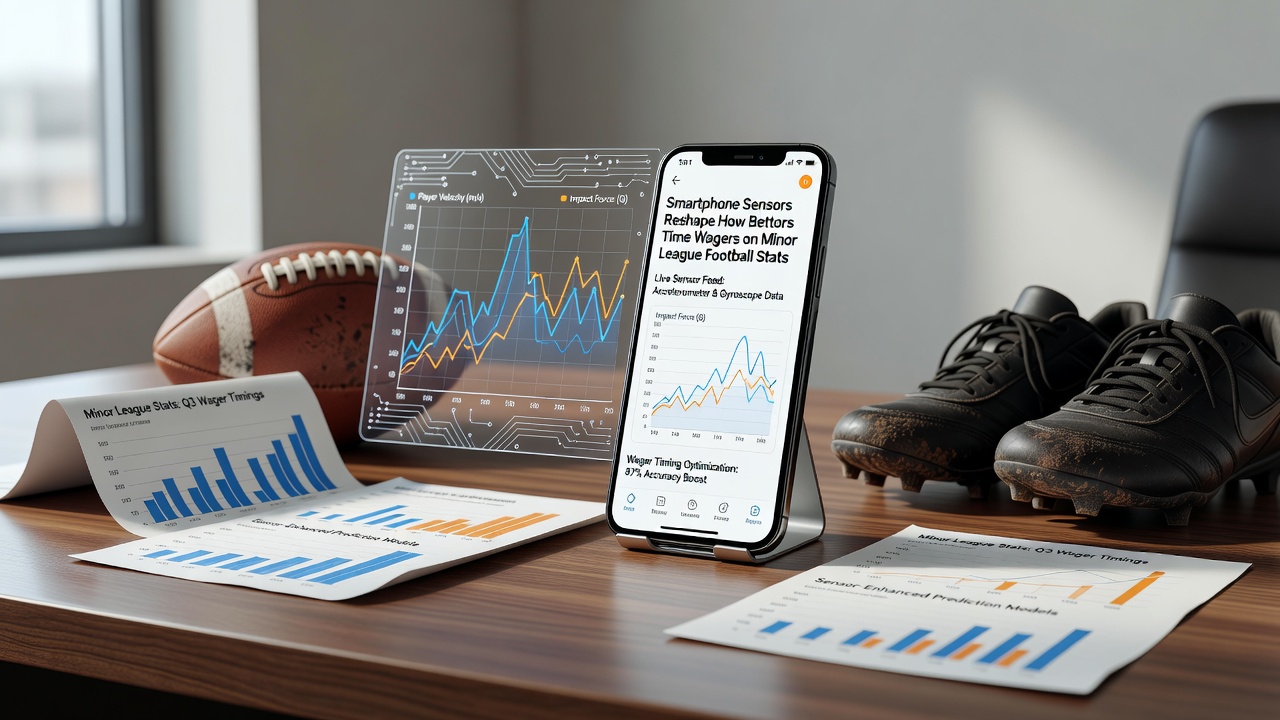
Smartphone accelerometers, gyroscopes, and GPS modules now feed live data streams that let bettors adjust wagers on minor league football statistics with greater precision, and this integration has accelerated since early 2025. Mobile applications pull raw sensor output from devices held by spectators or analysts near the pitch, then convert those readings into metrics such as sprint velocity, directional changes, and collision impact. Bettors who subscribe to these feeds receive alerts when a player's acceleration drops below a preset threshold, prompting them to place or modify bets on performance indicators before official stat sheets update.
Sensor Data Sources and Integration Methods
Developers combine phone-based motion sensors with league-provided optical tracking systems, while the resulting datasets reach users through low-latency APIs that refresh every two seconds during matches. Research from the International Society of Performance Analysis in Sport shows that combining gyroscope readings with GPS coordinates produces velocity estimates accurate to within 0.3 meters per second in open-field conditions. Minor league teams in several North American and European circuits have granted app developers access to sideline Wi-Fi networks, which reduces transmission delays and allows bettors to react during the same play sequence rather than after the next stoppage.
Operators in Australia and Canada report similar setups where fans position phones on tripods along the touchline, capturing lateral movements that fixed cameras sometimes miss. The data then flows into proprietary algorithms that flag anomalies, such as a sudden increase in a defender's turn rate, which may correlate with higher tackle counts in the next ten minutes of play. Bettors time their entries around these signals, placing wagers on player props or in-game totals while the action unfolds.
Impact on Wager Timing and Market Behavior
Figures from the Canadian Gaming Association indicate that the average interval between a detected sensor event and the placement of a related bet has shortened from 47 seconds in January 2025 to 19 seconds by July 2026. This compression occurs because applications now push notifications directly to bettors' lock screens, bypassing manual stat checks. Markets on minor league fixtures adjust odds more frequently as a result, with some bookmakers recalculating player prop lines every 30 seconds when high-volume sensor data arrives from multiple devices at the venue.
One documented case involved a lower-division match in which repeated gyroscope spikes signaled elevated fatigue in a starting midfielder, and several accounts placed bets on reduced passing accuracy within a narrow window before the official halftime statistics reflected the same trend. Such patterns emerge more often in leagues that permit fan-collected data near the field, creating localized edges for participants who maintain reliable phone placements and steady network connections.
Regulatory and Technical Considerations
Authorities in multiple jurisdictions require that sensor-derived statistics meet minimum accuracy thresholds before they influence licensed betting products, and testing protocols established by the European Gaming and Betting Association verify device calibration on a quarterly schedule. Privacy rules limit the storage of raw location data to 24 hours after each match, which prevents long-term tracking of individual spectators while still allowing real-time bet adjustments. Technical teams at app providers run checksums on incoming sensor packets to filter out spoofed readings, maintaining integrity across the data pipeline that reaches bettors.
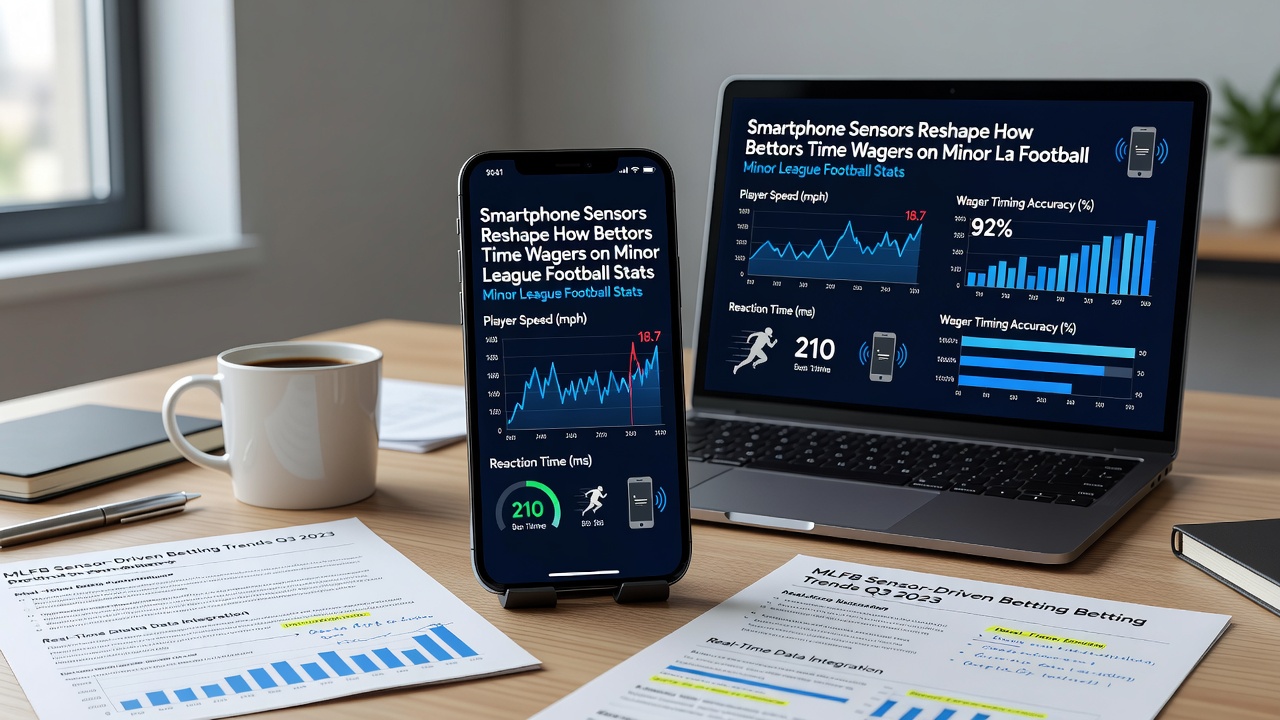
Network congestion remains a challenge at smaller venues where cellular coverage varies, yet many operators now supply dedicated 5G small cells along the stands to stabilize upload speeds for sensor streams. Bettors who position devices at optimal angles report fewer dropped packets, which preserves the timing advantage when a sudden change in player movement data appears. Studies conducted at the University of Nevada, Las Vegas gaming laboratory confirm that consistent data delivery correlates with higher settlement accuracy for in-play wagers tied to sensor metrics.
Future Developments in Sensor-Driven Betting
Hardware upgrades scheduled for late 2026 include improved barometric sensors that detect elevation changes during jumps and headers, adding another layer to performance estimates. Software updates already in beta testing allow multiple phones to form mesh networks, sharing data points across devices to fill gaps when one unit loses satellite lock. These refinements expand the range of statistics available for timed wagers, from basic distance covered to more granular measures such as rotational force during tackles.
Leagues continue to evaluate partnerships that formalize sensor data contributions from approved apps, and early agreements in select circuits include revenue-sharing clauses that compensate teams for verified performance insights. Observers note that the volume of minor league matches featuring active sensor feeds has risen steadily, reaching 62 percent of scheduled games across tracked circuits by mid-2026.
Conclusion
The combination of smartphone motion sensors and real-time statistical feeds has altered the window during which bettors enter and exit positions on minor league football metrics, and continued hardware and regulatory developments will shape how these tools evolve. Data streams from accelerometers and gyroscopes now reach users fast enough to influence decisions within the same sequence of play, while accuracy standards and privacy controls maintain the reliability of the underlying information. As mesh networking and additional sensor types reach wider deployment, the timing mechanics of these wagers will likely incorporate even finer performance signals without requiring changes to core betting frameworks.