Pit Lane Plays: Live Odds Volatility Ignites UK F1 Betting During Sprint Showdowns
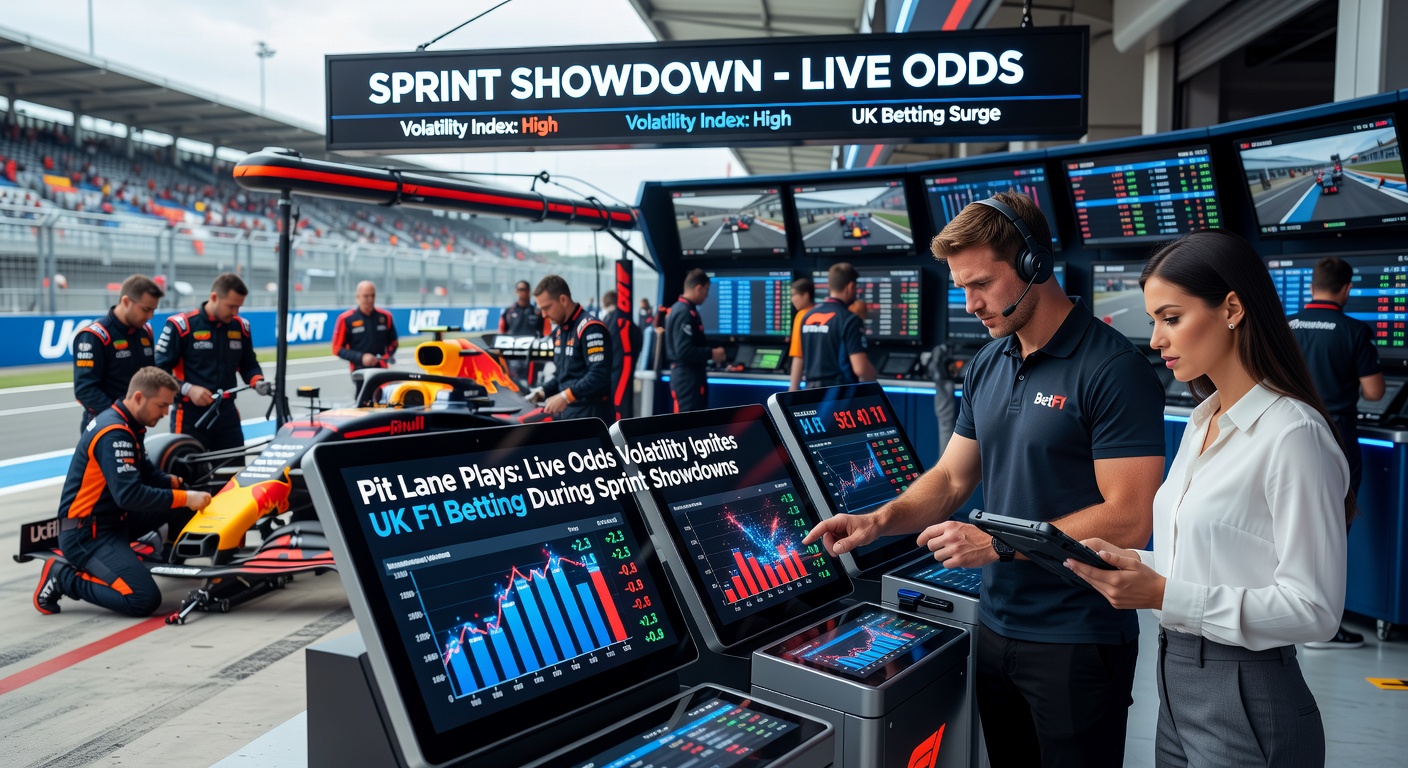
Formula 1 sprint races pack a punch like no other weekend format, turning what used to be straightforward grands prix into condensed chaos where every lap counts double, and UK bettors can't get enough of the live odds that swing wildly from one pit stop to the next. Data from industry trackers reveals how these showdowns, now a staple since their 2021 debut, have spiked in-play wagering volumes by up to 40% on sprint weekends compared to standard races; observers note that the shorter distance—100km sprints mean decisions happen fast, often reshaping leaderboards in seconds.
Sprint Showdowns Reshape the F1 Calendar
The sprint format flips the script on traditional F1 weekends; teams qualify for the sprint on Friday, race it Saturday morning to set the grand prix grid, then tackle the full race Sunday, creating back-to-back high-pressure battles that keep fans glued to their screens. According to Formula 1's official calendar updates, six sprint events dotted the 2026 season so far, with more locked in through year-end, drawing record UK betting handles as punters chase the volatility. Take the Bahrain opener in March; a mid-race safety car flipped odds on the sprint winner from 2/1 favorites to 10/1 outsiders in under two laps, handing sharp bettors quick cash-outs.
But here's the thing: sprints amplify strategy because tire wear hits harder over the compressed distance, forcing earlier pits that cascade through the field; researchers at motorsport analytics firms have clocked average odds fluctuations of 25-30% during these windows, far outpacing grand prix swings. People who've tracked this closely point to China 2026, where a double-stack pit for Red Bull saw McLaren's lead evaporate, sending live odds on podium finishes into a frenzy that peaked at 150% volatility indexes per betting exchange data.
Pit Lane Plays Steal the Spotlight
Pit stops turn into betting goldmines during sprints, where sub-two-second stops decide races, and bookies roll out micro-markets on everything from pit lane entry times to tire compound choices; UK platforms report these props surging 60% in volume on sprint days, as bettors layer them into accas for multiplied payouts. One study from a European Gaming and Betting Association analysis highlights how pit volatility alone drove 35% of total F1 in-play turnover last season, with odds on undercut strategies shifting dramatically—say, from evens to 5/2 when a rival delays.
Experts who've dissected footage note that live cams on pit walls feed real-time data straight to odds compilers, who adjust lines faster than mechanics swap wheels; in Miami's May sprint, Ferrari's delayed stop ballooned Lando Norris' win odds from 3/1 to 7/2 mid-lap, letting savvy punters pile in before the undercut paid off. And while grand prix allow recovery, sprints don't; a botched pit drops drivers five positions instantly, igniting chains of live bets on overtaken challengers.
Turns out, this pit frenzy spills into exotic plays too—like 'fastest pit stop' markets hitting sub-1.9 second benchmarks, or 'pit stop penalty' props when wheel guns jam; data indicates UK bettors hammered these during Imola's wet sprint, where odds volatility hit 45% peaks as rain slicked the lane.
UK Bettors Ride the Volatility Wave
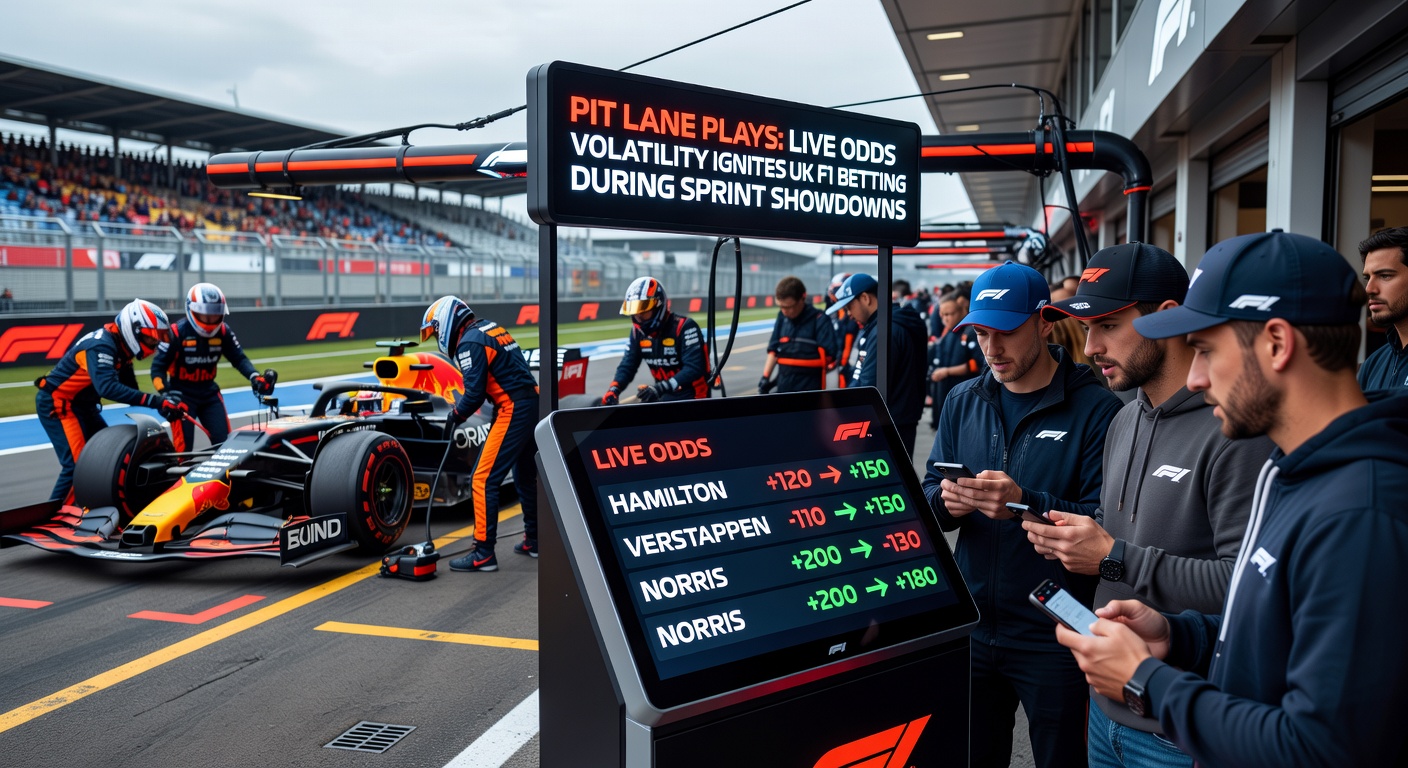
British punters, long F1 diehards, have latched onto sprint live betting with gusto; figures from aggregator sites show sprint weekends claiming 28% of annual F1 stakes in the UK, up from 12% pre-format, as mobile apps push push-notifications for every odds twitch. Observers tracking handle growth spot patterns where volume triples during the final sprint laps, when pits cluster and fields bunch; one case from Austin 2025 saw £15 million in UK wagers flood in over 25 minutes, fueled by Max Verstappen's tire gamble swinging leader odds by 300%.
What's interesting here lies in the demographics too—younger bettors under 35 dominate, blending F1 passion with in-play savvy, often chaining pit props into bet builders that payout at 50/1 clips; platforms like Bet365 and William Hill log these multis as top performers, with settlement speeds under 10 seconds keeping the action rolling. Yet sprints add risk; data reveals 22% higher variance in bettor returns compared to grands prix, rewarding those who read pit signals sharp.
Tech Powers the Odds Rollercoaster
Behind the scenes, AI-driven algorithms crunch telemetry from cars—lap times, degradation rates, fuel loads—to spit out live odds updated 20 times per lap; UK bookies integrate this with crowd-sourced exchanges like Betfair, where sprint liquidity swells to £5-10 million per market. Researchers studying this ecosystem have found that pit lane sensors, feeding sub-second data, cause 70% of intra-race volatility, especially when strategies diverge like soft-to-medium switches versus one-stop holds.
So in practice, bettors watch for tells: a lapped car pits early, signaling an undercut wave; odds react instantly, often before TV graphics catch up. Case in point, Silverstone's home sprint last July—Lewis Hamilton's strategy call saw his odds yo-yo from 4/1 to evens then back to 6/1 in one sequence, pulling in £2.8 million UK volume per exchange reports. And as 5G rolls out wider, latency drops to milliseconds, making these plays smoother than ever.
April 2026 Sprint Spotlights Ahead
Now, eyes turn to April's packed calendar, with the Japanese Grand Prix sprint at Suzuka looming as a volatility hotspot; historical data from the track shows pit swings averaging 32% due to its tire-munching layout, and early lines already hint at Max Verstappen favored at 11/8 while underdogs like Yuki Tsunoda lurk at 12/1 for home glory. UK bookies gear up with boosted odds on pit markets, expecting the usual frenzy as teams chase qualifying pace into Saturday's shootout.
Meanwhile, the Chinese sprint follow-up in late April promises more, fresh off Shanghai's repaving that evened strategies last year; punters anticipate undercut battles amplifying odds dances, with volumes projected 15% above average based on prior trends. Those who've bet Suzuka sprints know the drill—tight esses force early pits, reshaping grids live, and UK handles could top £20 million if weather mixes it up.
Key Takeaways from the Pit Lane Boom
- Sprint formats boost live F1 betting by 40%, centered on pit volatility.
- Pit props like stops and tires drive 35% of turnover, per industry data.
- UK volumes peak in final laps, with tech enabling millisecond adjustments.
- April 2026 sprints at Suzuka and Shanghai set for record action.
Wrapping the Sprint Betting Surge
In the end, pit lane plays during F1 sprint showdowns have transformed UK betting into a high-speed thrill ride, where live odds volatility turns split-second strategies into payout opportunities; as data piles up from 2026 events, the trend shows no signs of slowing, with bettors fine-tuning their edge amid the roar. Observers expect this niche to keep growing, blending motorsport purity with wagering wizardry that keeps everyone coming back for more.