Platform Price Comparisons Enhance Returns in Sports and Racing Betting
Nils Lorenz · Jul 26, 2026
Platform Price Comparisons Enhance Returns in Sports and Racing Betting
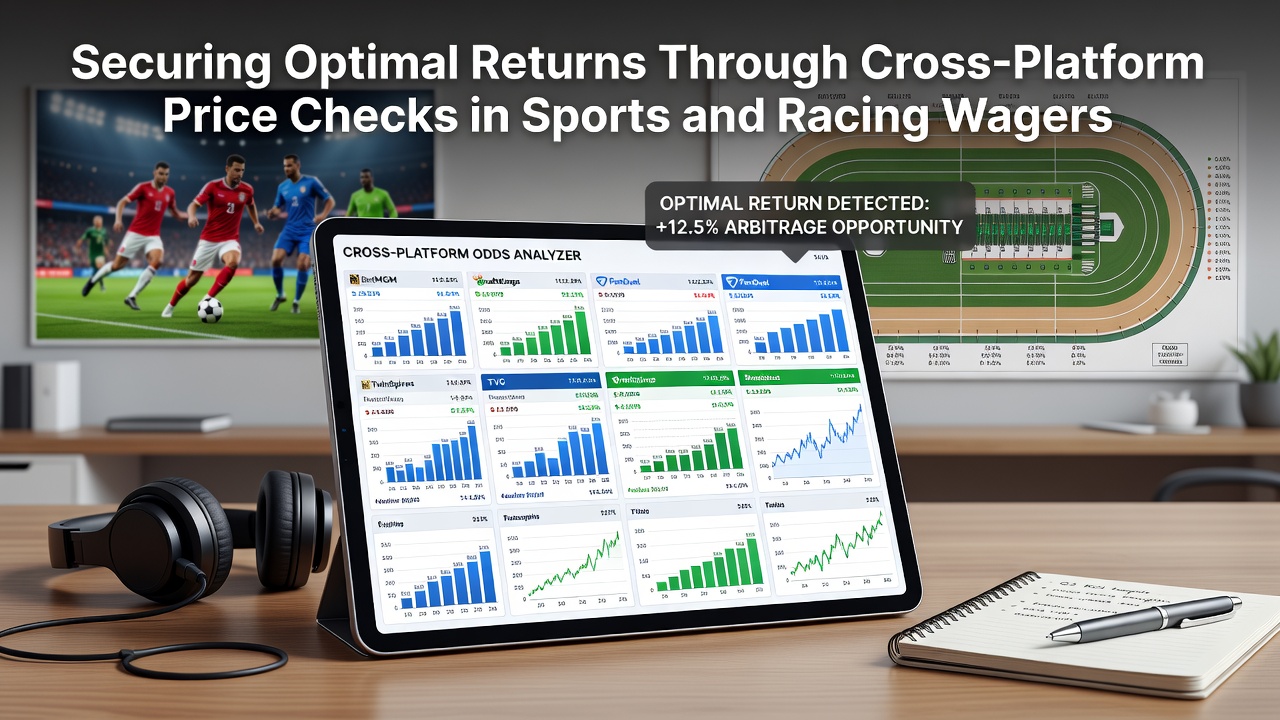
Cross-platform price checks have become a standard practice among those seeking to maximize value in sports and racing wagers, where odds can vary significantly between operators due to differing risk models and market responses. Data from industry reports shows that even small differences in decimal odds, such as 2.10 versus 2.05 on the same selection, compound over repeated bets and produce measurable gains in long-term returns. Observers note that participants who routinely scan multiple sites before placing stakes often secure better starting positions than those who default to a single account.
Bookmakers adjust lines based on liability management, promotional calendars, and real-time information flows, which creates windows where one platform offers superior pricing on a particular football match or thoroughbred race. Those who monitor these shifts report consistent access to higher implied probabilities without altering their underlying selections or stake sizes. Research indicates that in July 2026, average margins across major operators in key European and Australian markets ranged between 2.8% and 4.1% depending on sport, underscoring the incentive to compare before committing funds.
How Odds Diverge Across Operators
Variations arise because each operator maintains its own trading desk and customer segmentation strategy, leading to different responses when new information emerges during a match or race meeting. One platform may shade prices more aggressively on an underdog in a Premier League fixture while another holds firmer on the favorite in the same event. Similar patterns appear in racing, where place terms and each-way payouts frequently differ by several percentage points across sites. Bettors who check three or more platforms before finalizing a wager capture these discrepancies on a regular basis.
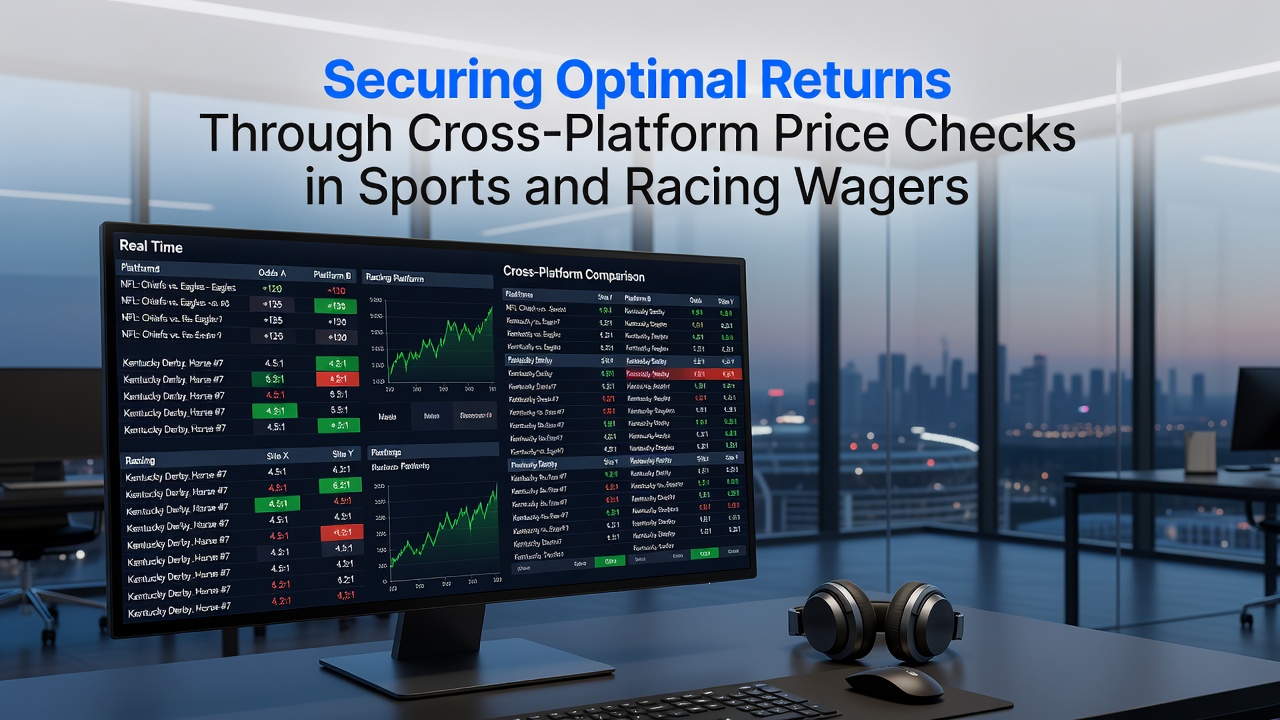
Tools that aggregate prices from multiple sources have grown in popularity because they reduce the time required to identify the best available number. Automated alerts notify users when a selection moves above a personal threshold, allowing quicker action during volatile periods such as live betting or late scratchings. Figures from platform analytics providers reveal that users of such comparison services place a higher proportion of bets at improved odds compared with manual checking alone.
Practical Steps for Effective Cross-Platform Checking
Successful implementation begins with maintaining accounts at several licensed operators that cover the target sports and racing jurisdictions. Observers recommend starting with a core group of four to six platforms to balance coverage against administrative overhead. Once accounts are active, participants establish personal benchmarks for acceptable odds on common bet types, such as match winners in tennis or win markets in horse racing, then compare live feeds against those benchmarks.
Timing matters because price movements accelerate close to event start times, particularly when weather updates affect track conditions or team news breaks in team sports. Those who perform checks in the final 30 minutes before a race or match often locate the largest gaps, although this requires reliable connectivity and pre-loaded interfaces. Data shows that systematic comparison performed at consistent intervals throughout the day yields steadier improvements than sporadic checks triggered only by large events.
Impact on Overall Returns
Studies from academic researchers at institutions in Australia and Canada demonstrate that even modest average improvements of 3-5% in odds received can shift a betting record from negative expectation to break-even or better over hundreds of wagers. The effect compounds because each improved price increases the base return on every subsequent bet that follows the same selection process. Operators themselves acknowledge these dynamics through loyalty programs and price-match guarantees designed to retain customers who actively shop around.
Markets with thinner liquidity, such as lower-division football or international racing meetings, tend to exhibit larger spreads between platforms, offering greater opportunities for those willing to compare. Conversely, high-profile events draw more uniform pricing because sharp action quickly aligns lines across the market. Participants who focus comparison efforts on mid-tier fixtures and races therefore encounter more frequent edges than those concentrated solely on marquee contests.
Regulatory Context and Responsible Use
Regulatory bodies in multiple jurisdictions, including state-level authorities in the United States and provincial commissions in Canada, require operators to display clear terms and maintain fair pricing practices, yet they do not mandate identical odds across sites. This framework preserves the competitive environment that makes cross-platform checking viable. Industry associations have published guidelines encouraging transparent data feeds so that comparison tools can operate without interference, supporting informed decision-making by participants.
Those who integrate price checking into their routines typically combine it with strict bankroll protocols and session limits to maintain control over activity levels. Records kept by users show that the additional time spent comparing rarely exceeds a few minutes per wager once familiar workflows are established, while the cumulative financial benefit scales with volume and consistency of application.
Conclusion
Cross-platform price checks represent a methodical approach to improving the terms on which sports and racing wagers are placed, grounded in observable differences between operator offerings. Consistent application, supported by reliable comparison tools and disciplined account management, produces documented improvements in realized returns across varied market conditions. As operators continue to differentiate through pricing and promotions, the practice remains a core element of structured participation in these activities.