Reward Tiers and Retention: Examining Bookmaker Programs in Britain
Bianca Meier · Aug 2, 2026
Reward Tiers and Retention: Examining Bookmaker Programs in Britain
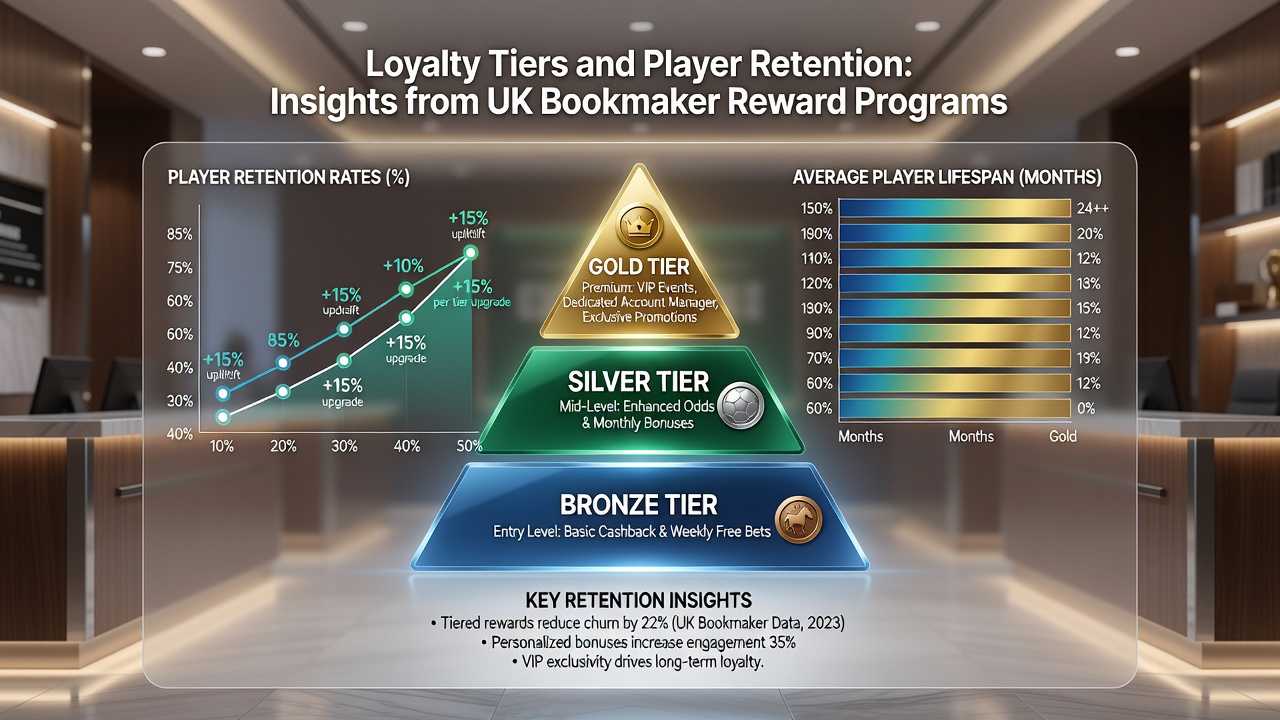
British bookmakers have expanded tiered loyalty structures over recent years, and operators now segment customers into multiple levels that unlock progressive benefits as betting activity accumulates. These systems typically start with an entry-level tier and advance through silver, gold, and platinum categories, where each step grants access to higher cashback rates, exclusive promotions, and dedicated account support. Data from industry analyses indicate that participants in higher tiers demonstrate longer account lifespans compared with those who remain at base levels.
How Tier Systems Operate Across Major Operators
Most programs calculate tier status through a combination of deposit volume, wager turnover, and frequency of activity over rolling periods, and operators adjust qualification thresholds periodically to reflect seasonal patterns. In August 2026 several firms introduced summer leaderboard challenges that award bonus tier points for participation in specific sports markets, while others maintain year-round accumulation without seasonal resets. Benefits scale accordingly, so a silver-level customer might receive weekly free bets capped at modest amounts whereas platinum members access personalized odds boosts and faster withdrawal processing.
Take one operator that structures rewards around a points-per-pound model where every qualifying bet contributes toward the next tier, and another that factors in both online and retail activity for customers who use multiple channels. Those who've studied these mechanics note that the design encourages consistent engagement rather than one-off spikes, because dropping below a tier threshold resets access to premium perks.
Retention Patterns Linked to Reward Structures
Figures from sector reports show that customers enrolled in active loyalty tiers exhibit lower churn rates during periods of reduced sporting calendars, and this pattern holds across multiple operators. Retention improves further when programs incorporate milestone rewards such as birthday bonuses or anniversary cashback that recognize tenure rather than pure volume. Research indicates that personalized offers generated from tier data tend to produce higher redemption rates than generic promotions sent to the broader customer base.
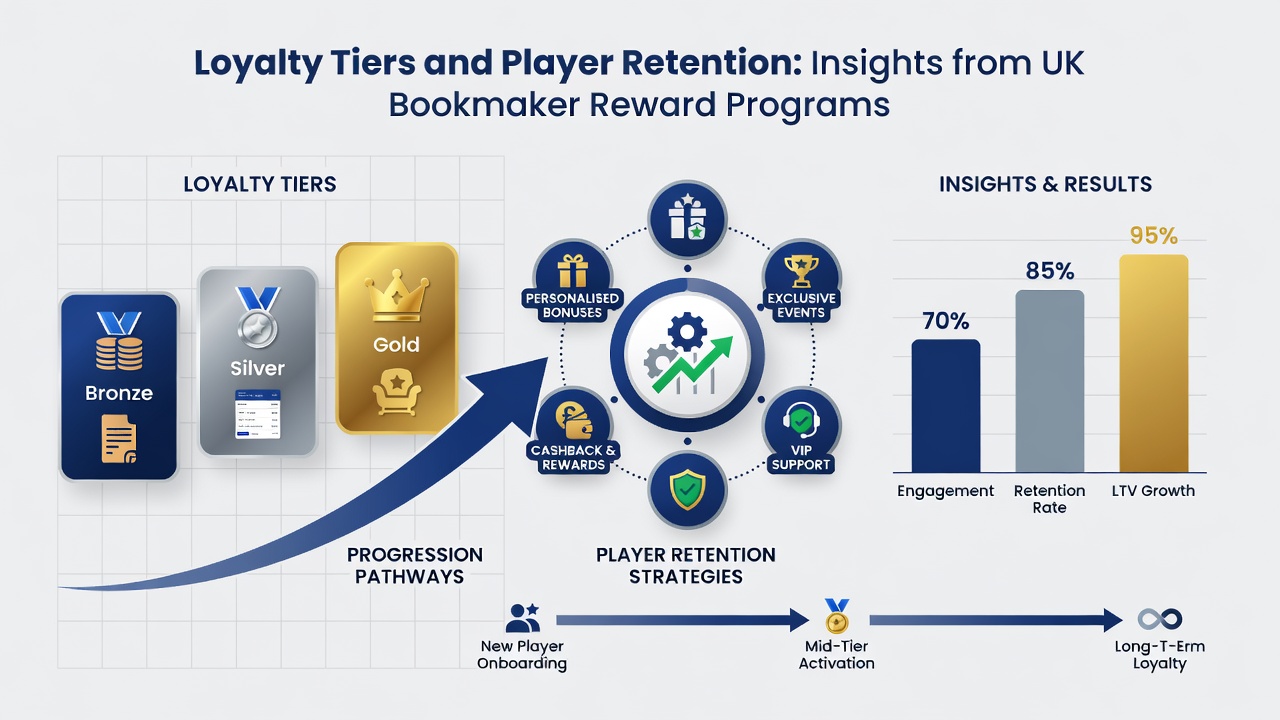
Observers note that tier progression can create a sense of achievement that extends play sessions, yet the same data also reveal that a portion of lower-tier customers disengage once initial welcome offers expire. Programs that communicate clear pathways to the next level through in-app notifications and email summaries tend to sustain momentum more effectively than those relying solely on automated tier updates.
Comparative Insights from Broader Industry Research
Studies conducted outside the UK provide context for how tiered rewards influence behavior in regulated markets, and one analysis by the Responsible Gambling Council examined similar structures in Canadian provinces where loyalty points correlate with extended account activity. European data compiled by the European Gaming and Betting Association similarly highlights that structured reward ladders can stabilize revenue streams when operators balance generosity with responsible play safeguards. These findings align with patterns observed among British operators that layer tier benefits atop standard regulatory requirements.
What's interesting is how some programs now integrate non-monetary perks such as event invitations or merchandise for top-tier customers, and these additions appear in operator announcements throughout 2026. The approach broadens appeal beyond pure financial incentives, particularly for customers whose primary motivation shifts from bonus hunting to status recognition over time.
Operational Adjustments Observed in 2026
Operators adjusted qualification windows and benefit values in response to participation trends recorded through the first half of the year, and several introduced hybrid tiers that combine online and in-shop activity for customers who frequent betting shops. August 2026 saw limited-time accelerators tied to major football pre-season friendlies, allowing quicker advancement for participants who placed qualifying bets on those fixtures. Such tactical shifts demonstrate how programs remain responsive to calendar events while maintaining core tier architecture.
Those who've tracked these changes point out that clear communication of updated rules helps prevent confusion when thresholds move, and operators that publish transparent tier guides report fewer support queries regarding status calculations. The reality is that effective retention hinges on matching reward delivery with customer expectations at each level, which requires ongoing calibration based on behavioral metrics.
Conclusion
Tiered loyalty programs continue to evolve as a central component of customer strategies employed by British bookmakers, and available data connect structured rewards with measurable differences in account longevity. As operators refine qualification criteria and expand benefit types, the emphasis remains on creating pathways that reward sustained participation while complying with existing regulatory frameworks. Future adjustments will likely incorporate additional personalization layers drawn from player data, yet the foundational structure of progressive tiers appears set to persist across the sector.