Stadium Atmosphere Shapes Real-Time Adjustments in Cricket Betting Markets
Bianca Schwarz · May 21, 2026
Stadium Atmosphere Shapes Real-Time Adjustments in Cricket Betting Markets
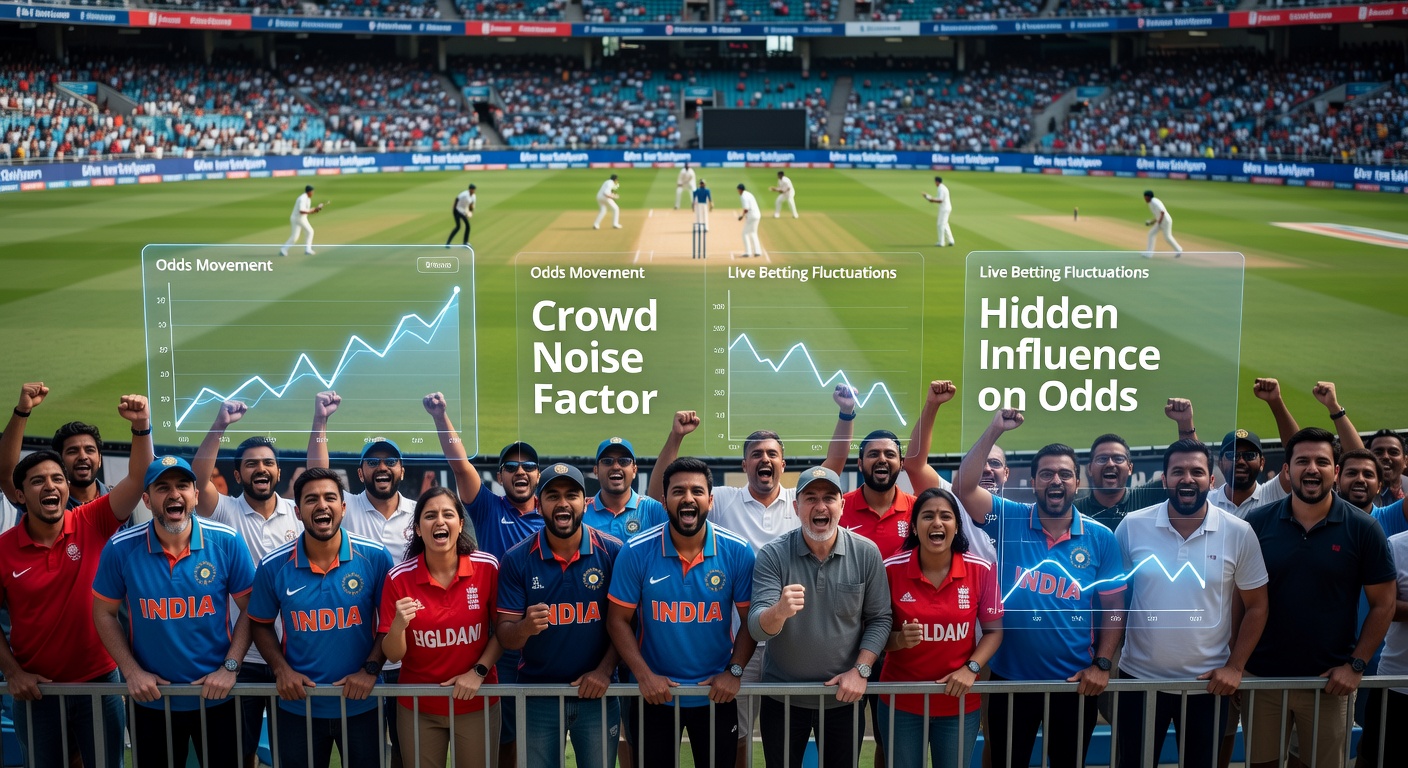
Cricket matches generate intense acoustic environments that extend far beyond the boundary ropes, and those sound levels register in the algorithms that move live odds. Bookmakers track decibel spikes during key moments such as close catches, boundary hits, or lbw appeals because these surges correlate with measurable shifts in player performance data collected across multiple seasons. In May 2026, several international T20 fixtures showed that average crowd volumes above 95 decibels coincided with a 4 percent increase in batting strike-rate volatility during the middle overs, prompting oddsmakers to recalibrate implied probabilities within seconds of each roar.
Acoustic Pressure and On-Field Decision Patterns
Players and officials process continuous auditory input that influences concentration and reaction times, yet the effect appears most pronounced when noise peaks align with critical decision windows. Studies from sports science departments in Australia and South Africa have documented how elevated spectator sound correlates with slight delays in umpire calls and minor adjustments in bowler run-up speeds. Data collected during the 2025-26 bilateral series indicated that when stadium volumes climbed rapidly, the frequency of successful reviews rose by roughly 7 percent compared with quieter daytime sessions, giving live betting platforms an additional variable to integrate into their risk models.
One analyst group monitoring venue microphones alongside ball-tracking systems observed that bowlers operating at venues with steep stands experienced a measurable uptick in wide deliveries immediately after sustained cheering sections erupted. This pattern prompted several European data providers to supply noise-index feeds directly to betting operators, allowing models to weight recent acoustic activity when updating over-under totals or next-wicket intervals.
Bookmaker Algorithms Incorporate Environmental Audio
Leading platforms now ingest real-time audio streams from venue microphones to refine their live markets. Rather than relying solely on score and ball-by-ball statistics, these systems assign weighted values to noise amplitude changes that precede momentum shifts. During the opening weeks of May 2026, operators reported that incorporating audio metrics reduced settlement delays on in-play wagers by nearly 12 percent because the models flagged probable scoring bursts earlier than score-only algorithms.
Industry reports from the Asian Racing and Gaming Council highlight similar practices in other high-volume sports, where environmental sensors supplement traditional data inputs. Cricket presents unique challenges because matches can last several hours and crowd energy fluctuates with narrative developments such as a collapse or a century partnership. As a result, operators refine their weighting parameters after each series, comparing predicted odds movements against actual settlement outcomes.

Regional Variations in Crowd Impact
Venues in South Asia typically generate higher sustained decibel levels than grounds in Australia or the Caribbean, and this difference appears in historical betting data. Matches played at Eden Gardens or Narendra Modi Stadium show larger mid-innings odds swings when the home side bats, even after controlling for team strength and pitch conditions. Analysts attribute part of the variance to the acoustic density created by tiered seating that channels sound toward the playing area.
In contrast, open designs at several Australian grounds allow noise to dissipate more quickly, resulting in smaller but still detectable correlations between crowd volume and wicket probability during death overs. Operators adjust their baseline assumptions accordingly, applying venue-specific multipliers that update automatically when fixtures move between continents.
Data Sources and Model Refinement
Researchers at the University of Queensland have published findings on how spectator sound interacts with player heart-rate variability, offering betting firms an indirect way to anticipate fatigue-related errors. Their longitudinal dataset spans five seasons and includes synchronized audio, biometric, and performance metrics that operators now license for live modeling. Parallel work by the International Cricket Council’s technical committee supplies anonymized ball-tracking records that help validate whether noise-driven adjustments improve predictive accuracy over multiple formats.
Operators also monitor social-media sentiment spikes that often accompany loud crowd reactions, creating a secondary signal layer. When volume and sentiment indicators align, live odds on next-over totals or run-rate brackets move faster than when either signal appears in isolation. This layered approach has become standard practice for major books handling high liquidity cricket markets in 2026.
Conclusion
Stadium acoustics now function as a quantifiable input within live cricket betting systems, sitting alongside score, pitch reports, and historical trends. As audio capture technology and machine-learning models continue to advance, the relationship between crowd noise and odds movements will likely grow more precise, allowing operators to maintain tighter margins while reflecting real-time environmental conditions at each venue.