Tailored Incentives: Betting Firms Analyze Activity Patterns for Custom Offers
Parker Ludwig · Jun 23, 2026
Tailored Incentives: Betting Firms Analyze Activity Patterns for Custom Offers
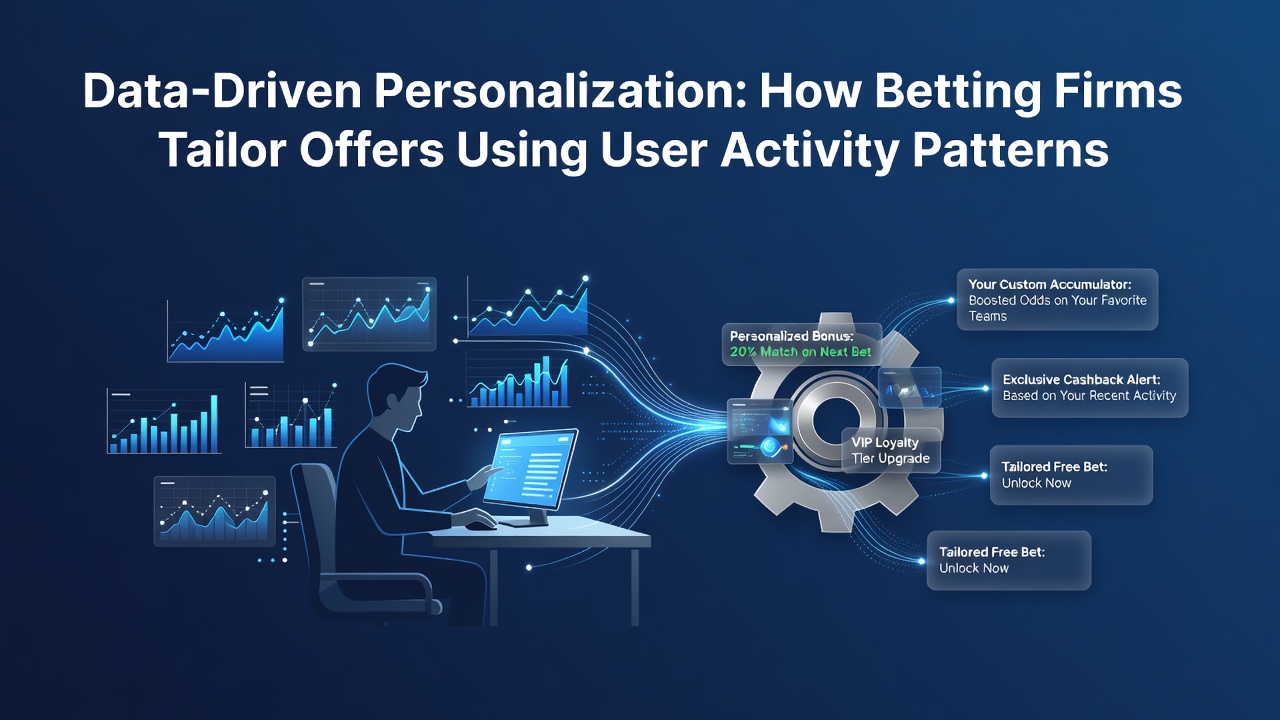
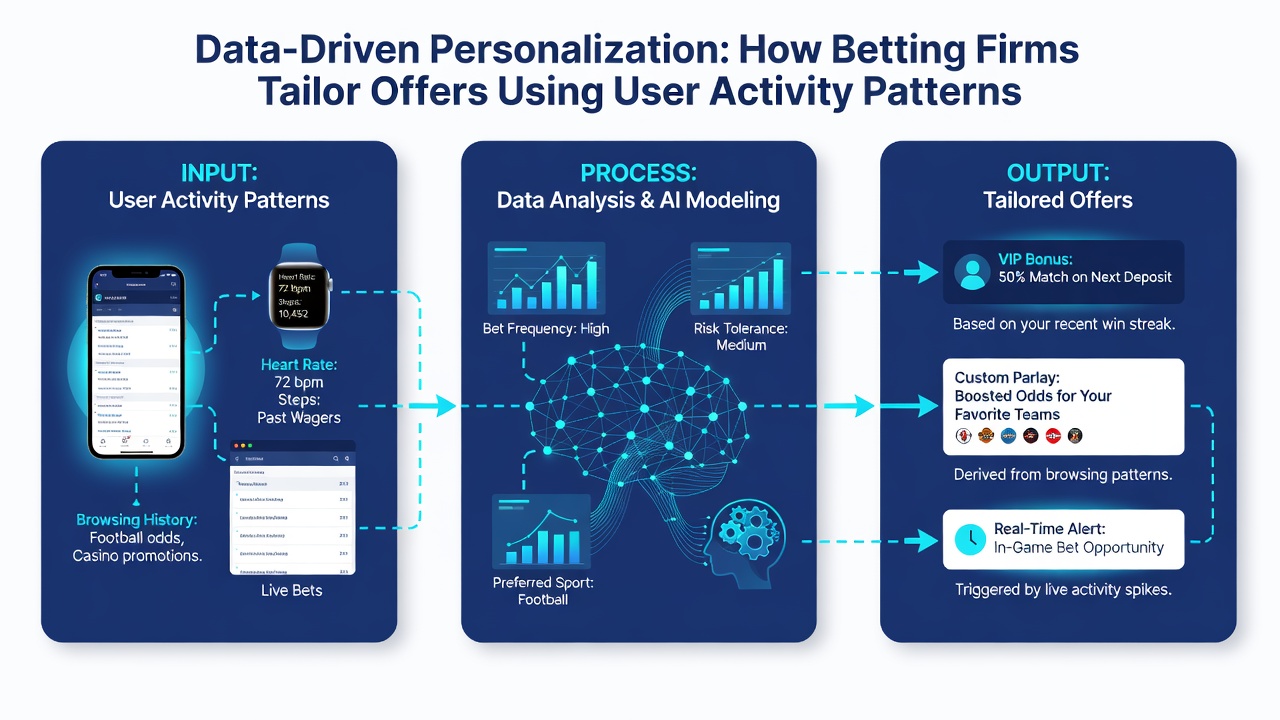
Betting operators collect extensive data from user interactions including login frequency, bet types selected, session durations, and response rates to previous promotions, then apply machine learning models to generate individualized offers that match observed preferences. These systems process information in real time so that a user who frequently places wagers on live football events during evening hours receives targeted bonuses aligned with that pattern, while another who focuses on horse racing accumulators sees different incentives. Data collection occurs across multiple touchpoints such as mobile apps, desktop sites, and in some cases retail terminals where loyalty card usage feeds additional details into centralized profiles.
Data Points That Shape Personalization
Activity logs capture metrics like average stake size, preferred markets such as over/under totals or player props, device type used for access, and even time of day when engagement peaks, allowing algorithms to segment users into groups with similar behaviors. Research indicates that firms combine these signals with historical outcomes to predict which promotions will likely trigger additional activity without exceeding responsible gaming thresholds set by various oversight bodies. One study from the University of Nevada Reno examined how sequential betting patterns influence offer timing, finding that users who increase stakes after wins respond more readily to reload bonuses than to free bet credits.
Implementation Across Platforms
Operators deploy these insights through automated systems that adjust email campaigns, push notifications, and in-app banners accordingly, ensuring teh content appears at moments when user data suggests higher receptivity. In June 2026 several major platforms rolled out updates that integrated location-based signals from permitted jurisdictions, refining offers further for users accessing services during travel periods. This approach relies on secure data pipelines that anonymize individual records during initial processing stages before personalized rules are applied at the account level.
Patterns also extend to withdrawal and deposit behaviors, where users who maintain consistent balances over multiple weeks might receive loyalty multipliers while those with sporadic activity see reactivation incentives structured around their past deposit amounts. External data from payment processors supplements internal logs, though firms must navigate varying privacy regulations across regions that dictate how long such information can be retained and cross-referenced.
Regulatory and Industry Context
According to reports published by the American Gaming Association, personalization tools have become standard practice in licensed markets because they improve retention metrics while complying with advertising standards that require clear terms and responsible messaging. Canadian provincial regulators have similarly documented how activity-based targeting reduces broad-spectrum promotions that previously reached all users regardless of engagement history. Academic analyses from institutions such as the University of Sydney's Gambling Treatment Clinic highlight that when offers align closely with demonstrated preferences, overall session lengths remain stable rather than extending into unplanned durations.
Technical infrastructure supporting these efforts includes customer relationship management databases linked to predictive analytics engines that update user scores daily based on recent activity. Firms test variations through controlled experiments where subsets of users receive slightly different offers, allowing measurement of conversion differences before wider deployment. This iterative process relies on statistical significance thresholds to determine which customizations produce measurable lifts in targeted behaviors like repeat deposits or specific market participation.
Case Examples from Operational Data
Observers note instances where users exhibiting weekend-only betting patterns receive Saturday-specific free bet credits timed to coincide with major league fixtures, whereas weekday participants see midweek accumulators promoted instead. Data from industry white papers shows that combining recency, frequency, and monetary value metrics (often abbreviated as RFM analysis) yields higher precision than single-variable approaches when segmenting audiences for differentiated treatment. In regions where cross-border data flows are permitted under local rules, operators occasionally incorporate anonymized benchmark data from peer companies to refine their internal models further.
Those who have examined platform logs report that mobile users tend to receive more time-sensitive notifications than desktop counterparts because session data indicates shorter but more frequent interactions on handheld devices. Such distinctions help operators allocate promotional budgets toward channels that demonstrate stronger returns based on historical response rates rather than uniform distribution across all users.
Conclusion
Activity pattern analysis enables betting firms to move from generic marketing blasts to precise interventions grounded in observable user behaviors, supported by evolving technical capabilities and shaped by regional regulatory frameworks. Continued refinement of these methods depends on balancing commercial objectives with data protection requirements that differ by jurisdiction, resulting in systems that adapt offers while maintaining compliance across multiple markets.